 SUPCA News
Alien invasives
02 September 2016
(updated 10 October 2016)
The Sandspruit has, over many years, become overgrown with many alien and extremely invasive shrubs, climbers and trees. It is never popular to remove established trees, but for the long-term maintenance of the waterway in particular it is necessary to do so.
Why is it necessary?
Its the law!
NEMBA, the “National Environmental Management: Biodiversity Act (No. 10 of 2004)” provides the framework, norms, and standards for the conservation, sustainable use and equitable benefit-sharing of South Africa’s biological resources.
On 1 August 2014, the Invasive Species Regulations were published in the Government Gazette and became law on 1 October 2014.
According to the regulations, all Category 1a and Category 1b plants must be eradicated from our park, but in addition to this, all Category 2 and Category 3 plants in riparian zones or wetlands become Category 1b plants and must be eradicated. Riperian zone refers to an area within 32 metres of the edge of a river, lake, dam, wetland or estuary, or within the 1:100 year floodline, whichever is the greater.
Bank erosion
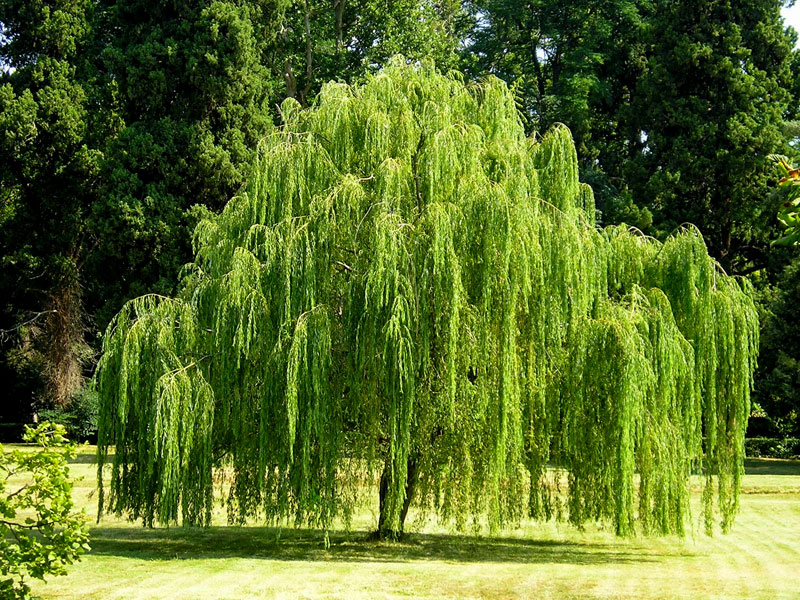
If you wander down the river where we have cleared heavily overgrown areas of Black Wattles, Common Mulberries, Weeping Willows, Crack Willows, Black Locusts and Honey Locusts you will see bare patches of earth with no grasses able to grow in the dense shade. There are often serious signs of erosion in these areas.
Look further down where the grass is able to grow in the light and you will see that there is little or no erosion. We need the grass to regrow in these areas to protect the banks from further erosion. Sometimes we have been able to simply trim the trees up to allow more light in and therefore in the short term we have left many of the alien trees, but longer term these will be removed once our newly planted trees have had time to establish.
Out-competing the locals
Where alien trees like mulberries and black locust trees are left to there own devices, they form dense thickets and out-compete the indigenous flora. Black Locust colonies are so rampant that they are causing many problems around South African waterways where they are preventing animals getting to water.
When we clear our area of these troublesome aliens, bare in mind that we are preventing thousands of seeds travelling down river where they could cause major problems in areas that aren't being tended to. Projects like ours must be viewed on a wider scale to really appreciate how a little done here can make a difference all along our water courses.
If we move away from the river and up towards Ullmann Park, we can again see the problem with leaving a few Common Mulberries to get out of control. Where there were three large mulberries near the entrance to the Park from Minto Road, we have lost at least seven large aloes - Mountain Aloes (Aloe marlothii) and Bitter Aloes (Aloe ferox) - because they were being completely shaded by the Mulberries. They have also out-competed the local Searsia lancea (Karee) which has lost an entire side due to one large mulberry (this particular mulberry was cut down last week and has flooded the area with light. We are in the process of rehabilitating the area now).
Which plants are our biggest problem?
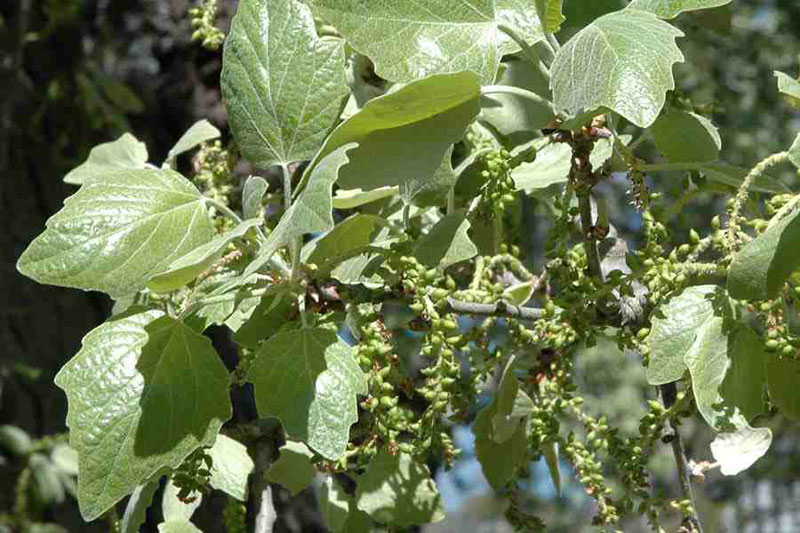
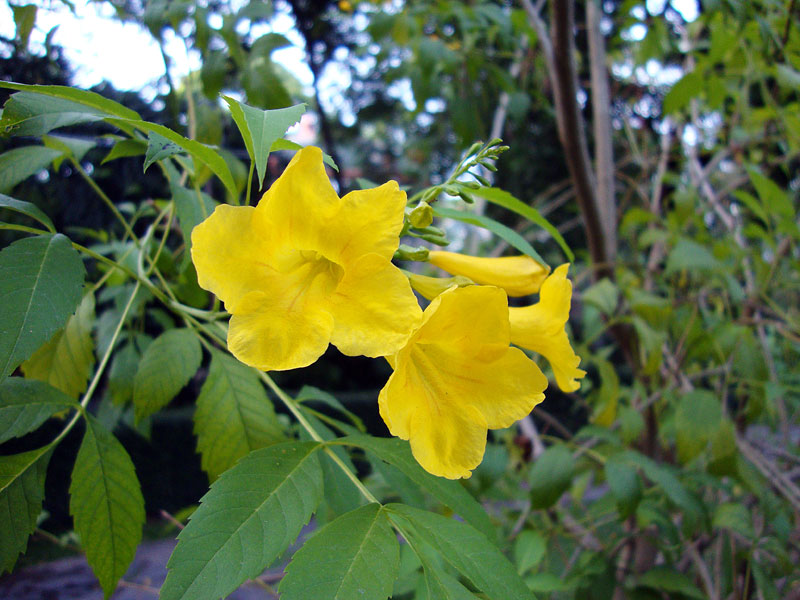
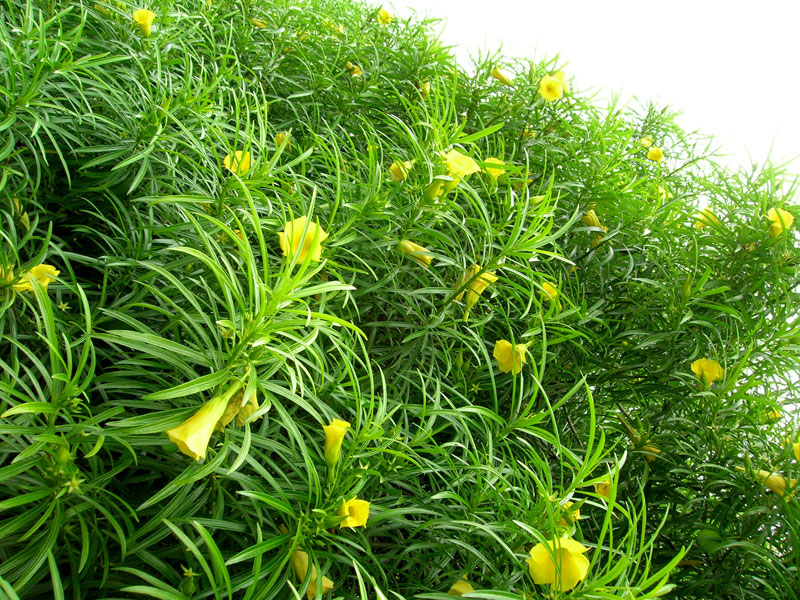
At the time this article was written, there were 381 invasive alien plants listed by NEMBA (National Environmental Management: Biodiversity Act). Many of them have little or no impact on our area, however the few that are causing problems have been allowed to grow rampantly over many years. Below is a list of the most important invasive plants that we will striving to eradicate over the next few years.
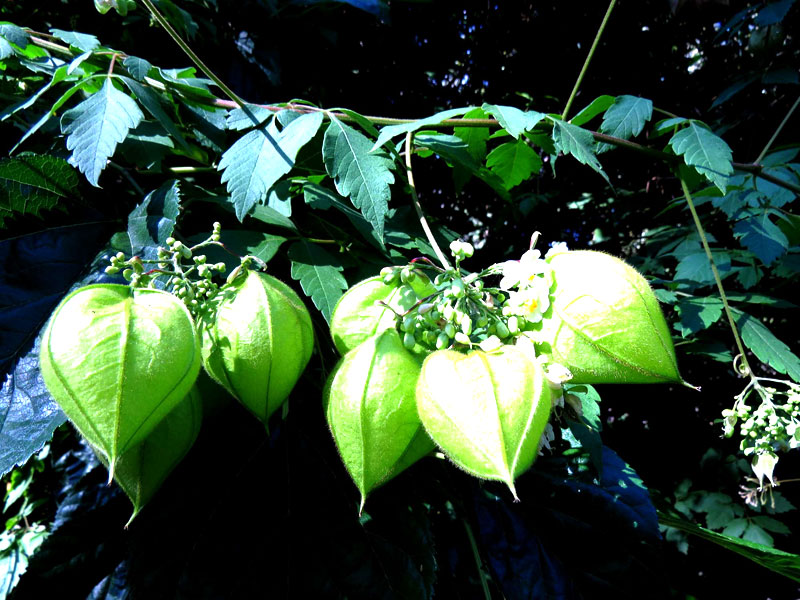
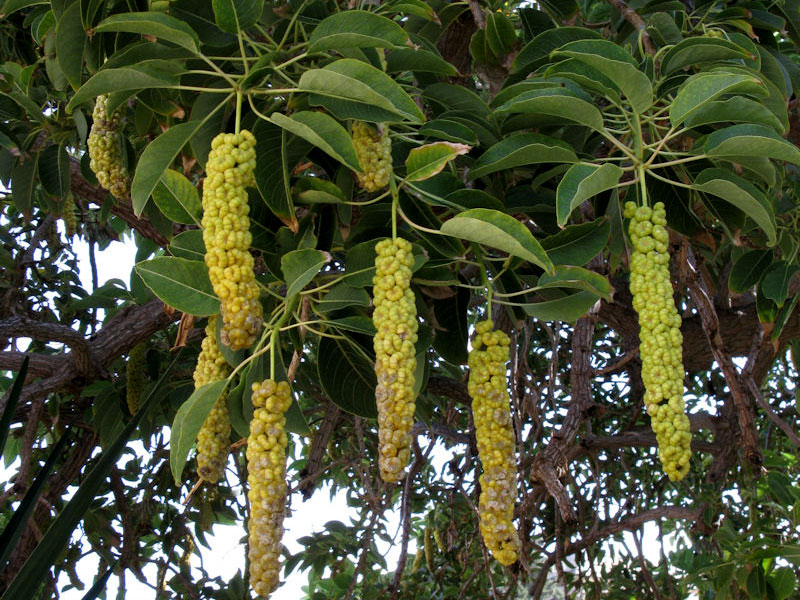
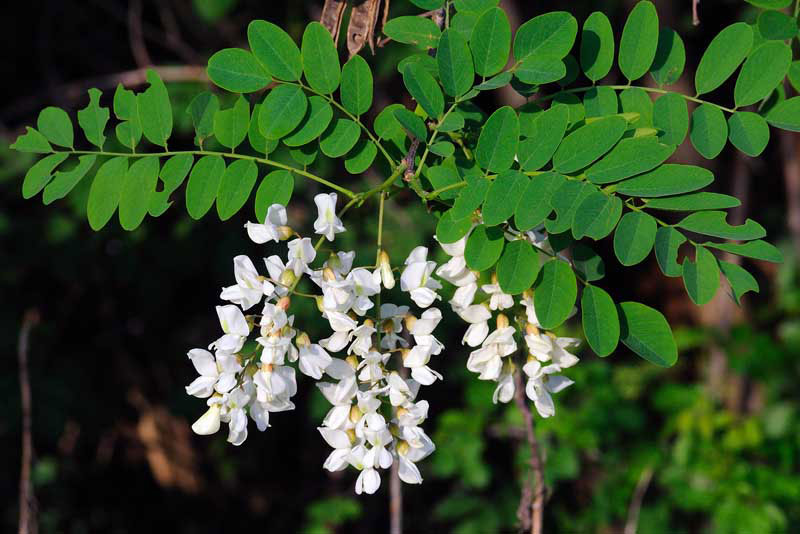
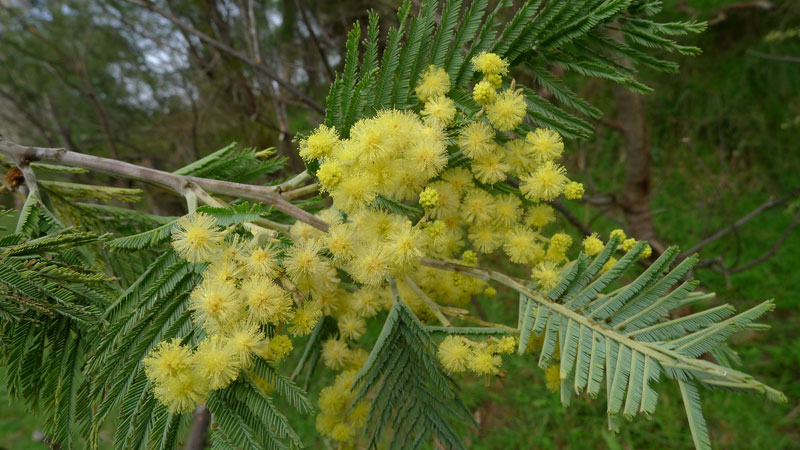
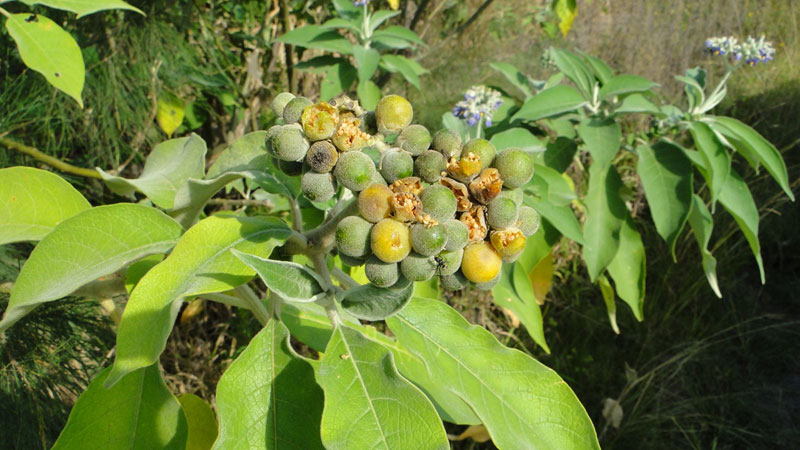
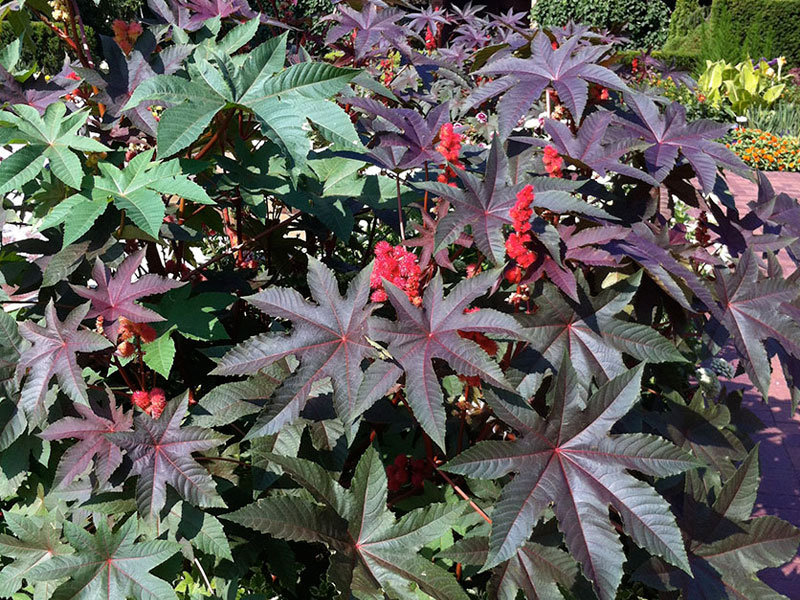
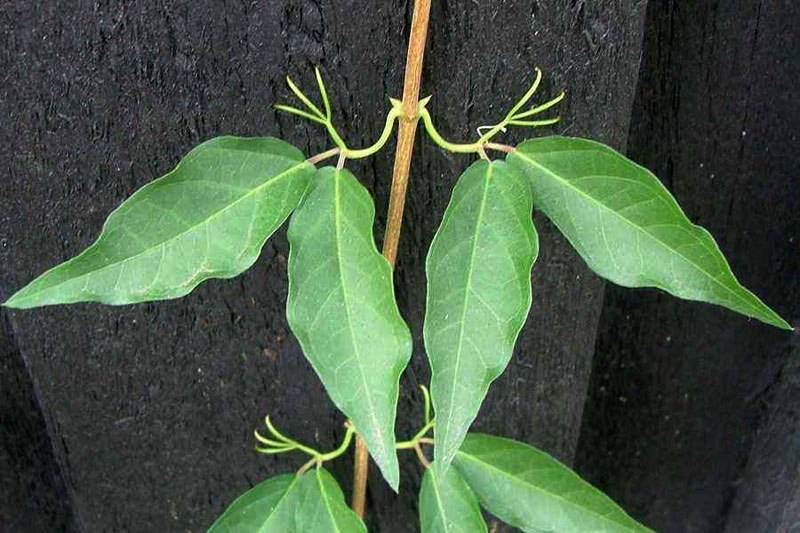
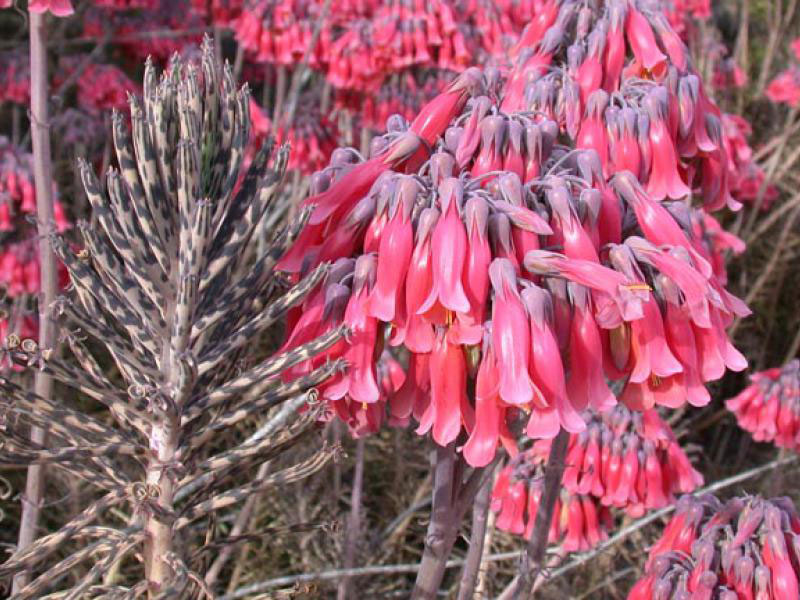
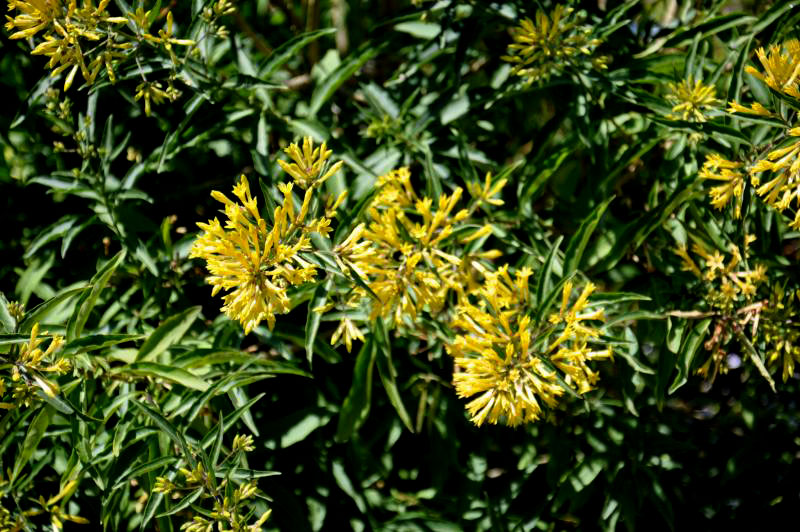
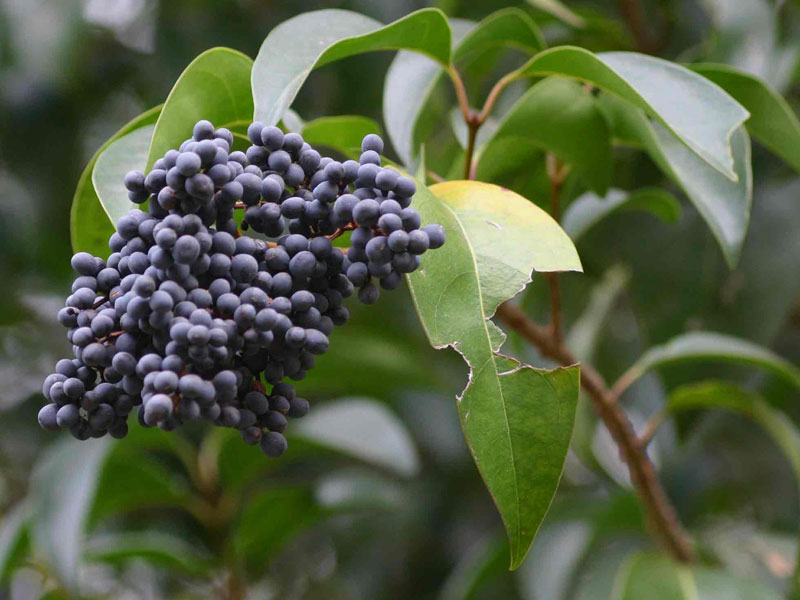
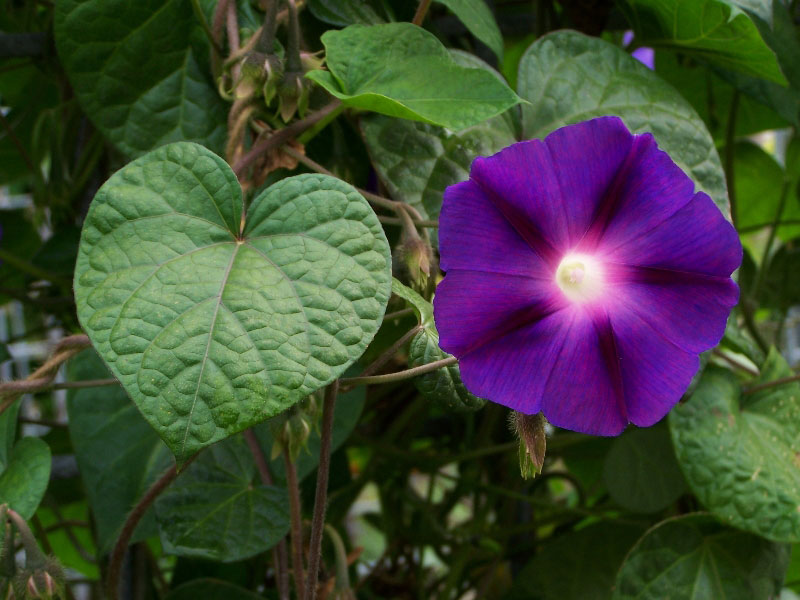
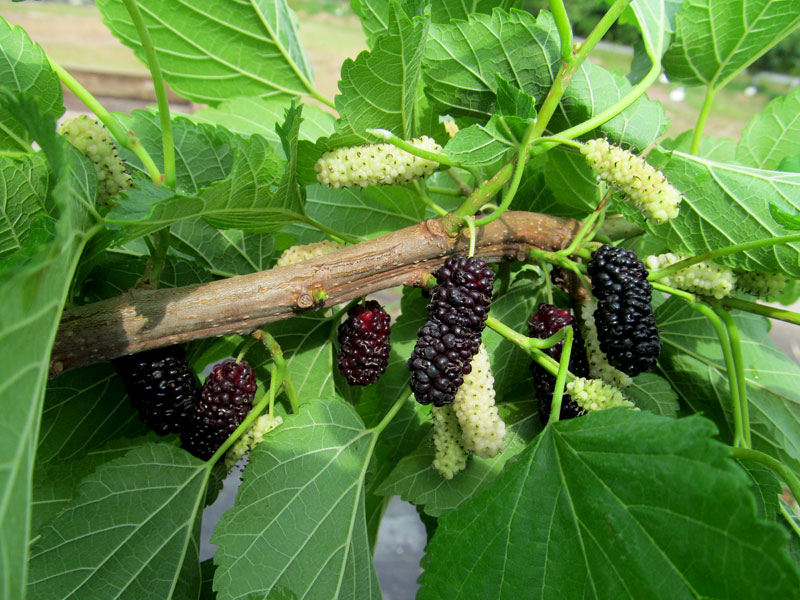
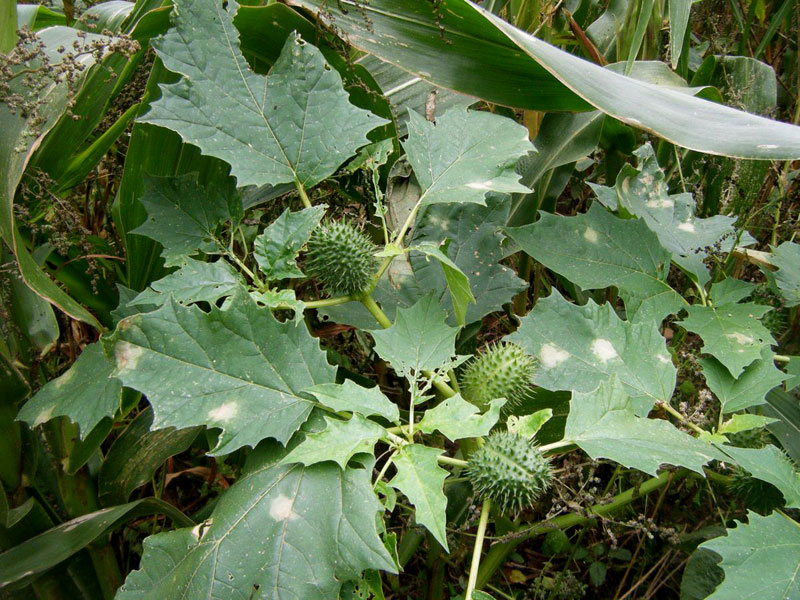
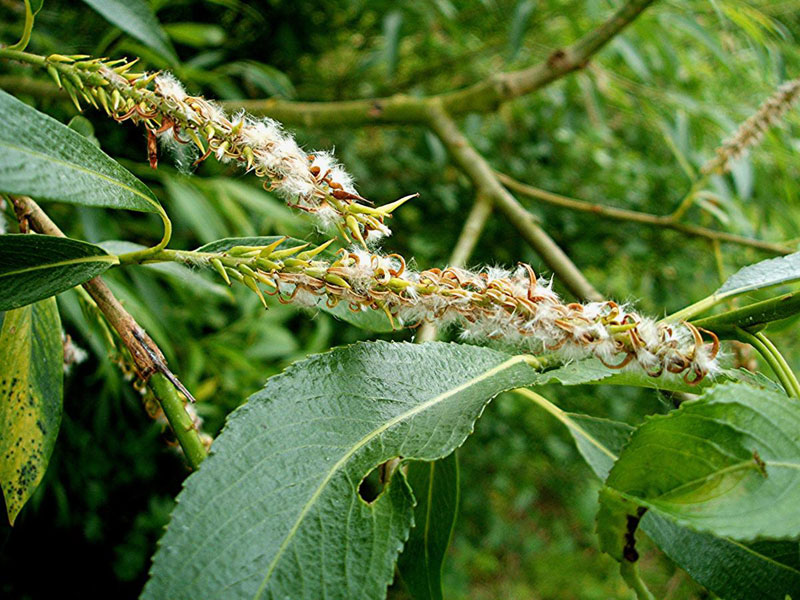
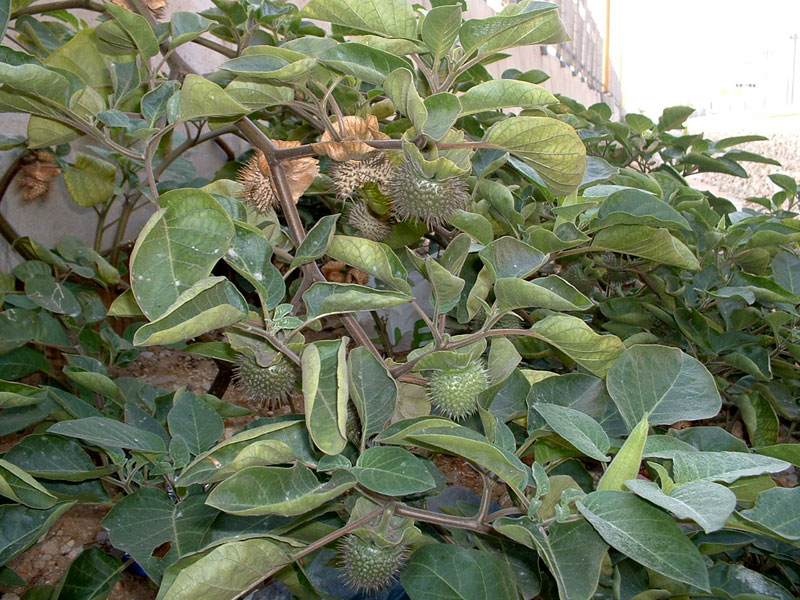
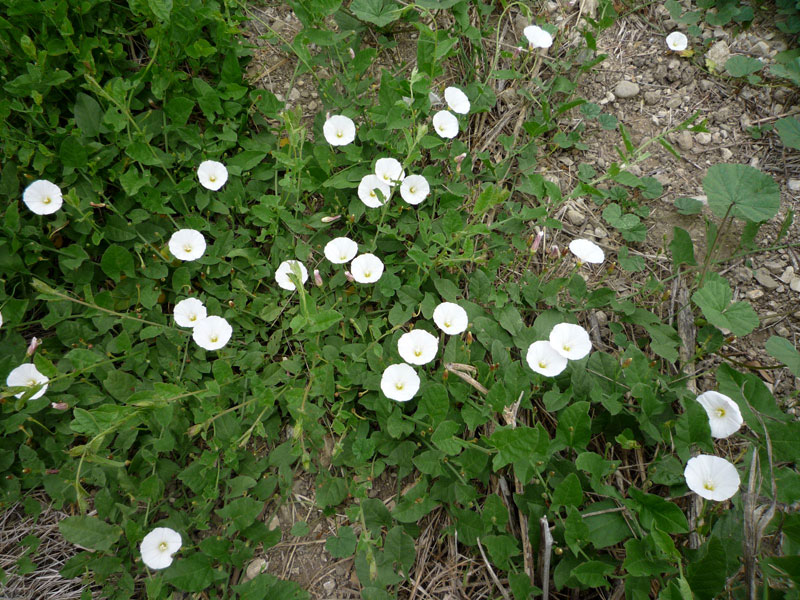
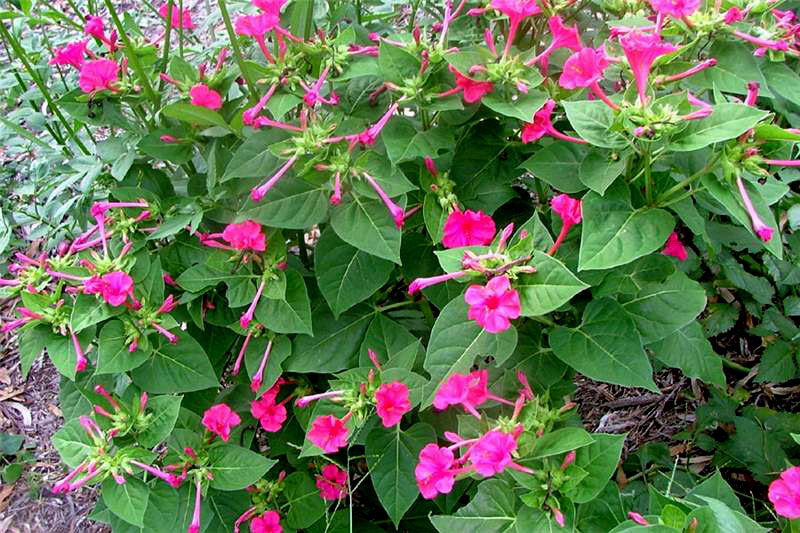
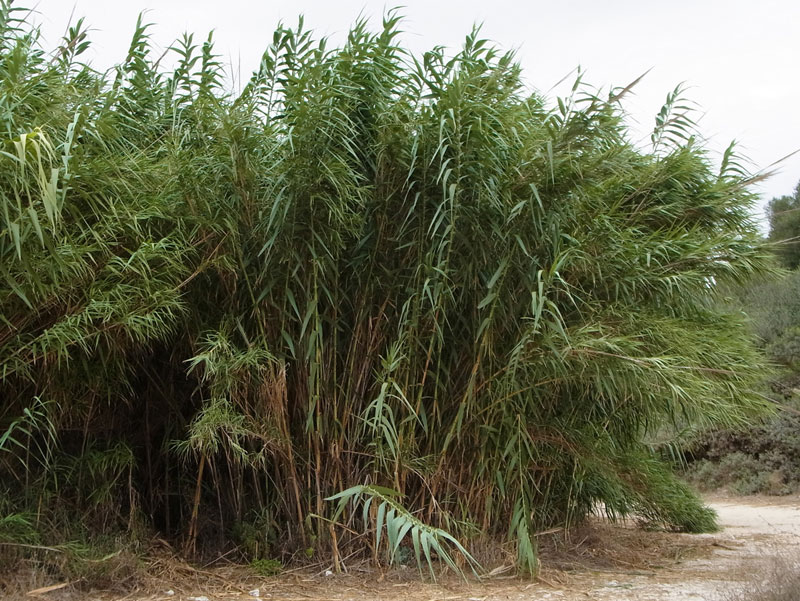
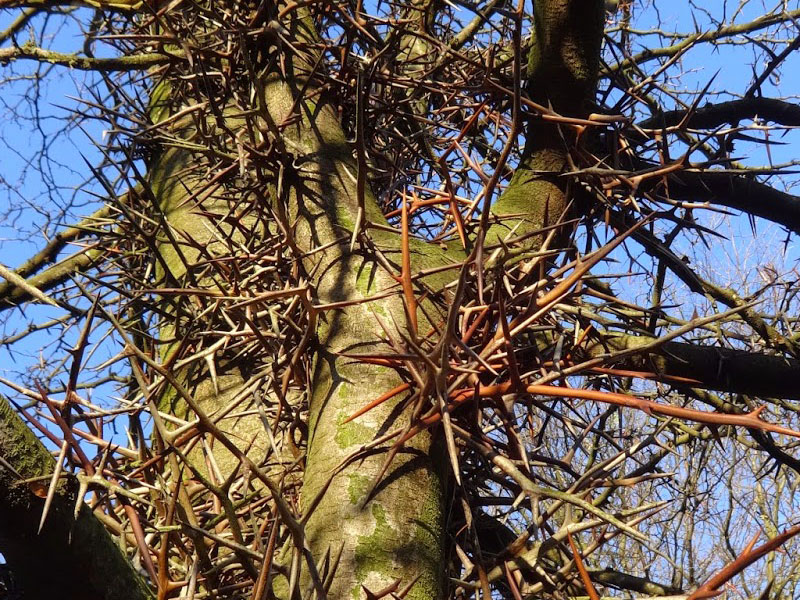
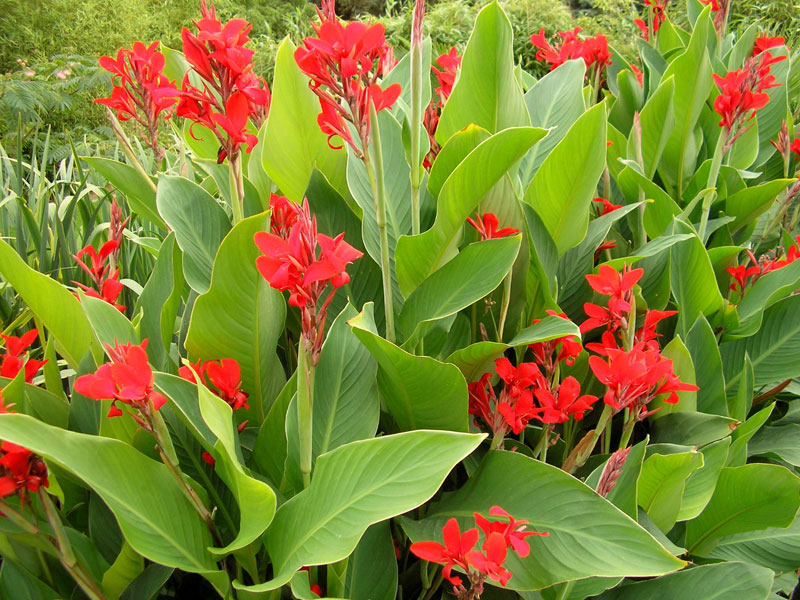
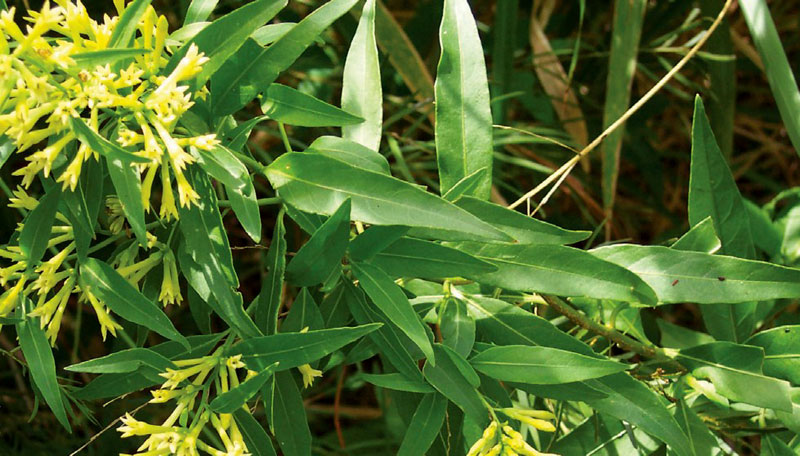
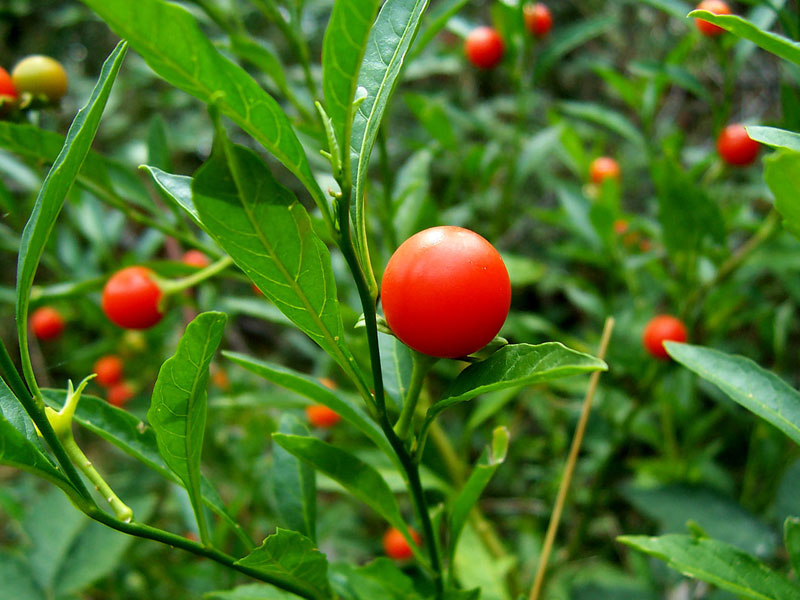
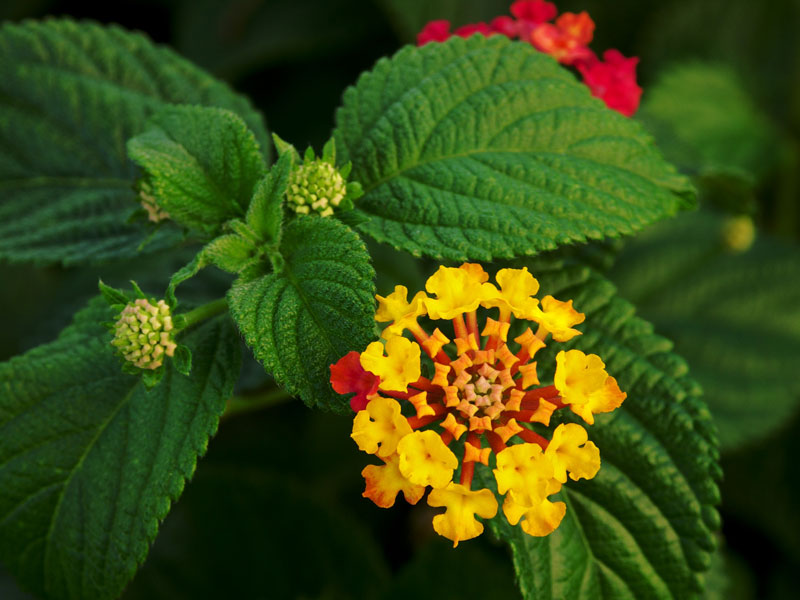
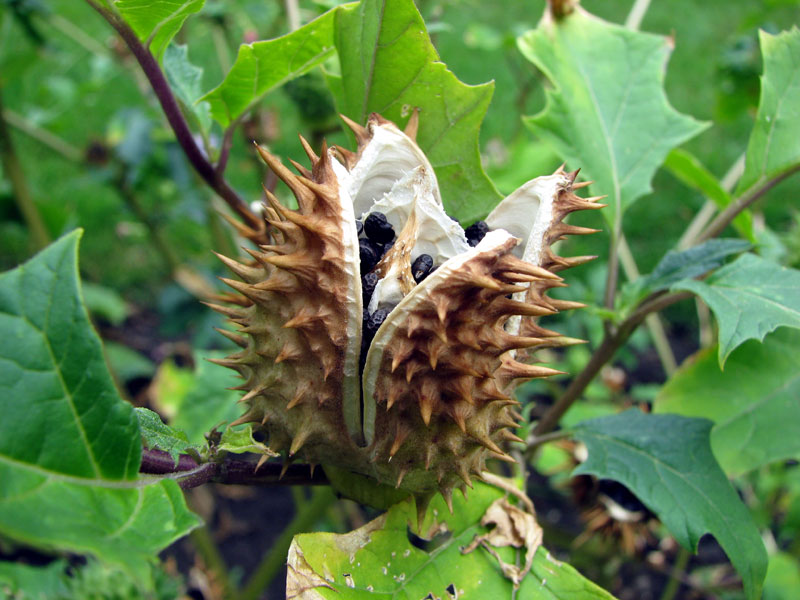
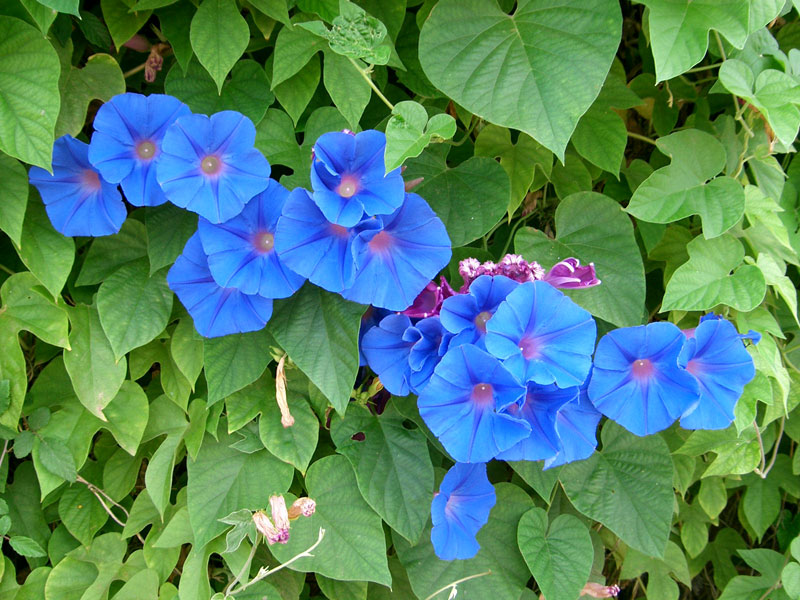
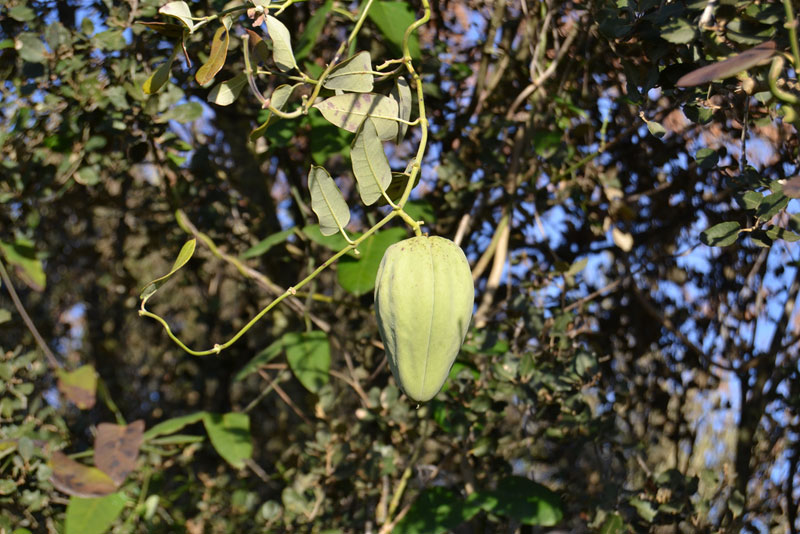
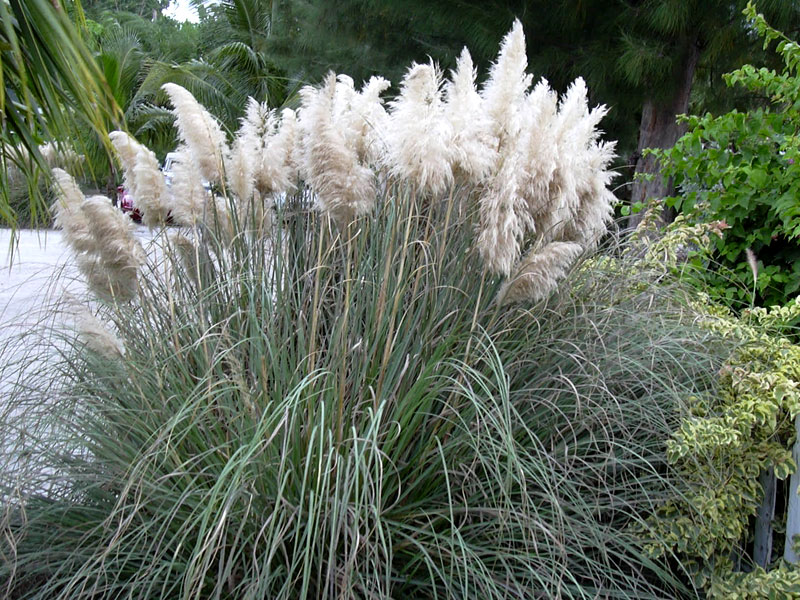
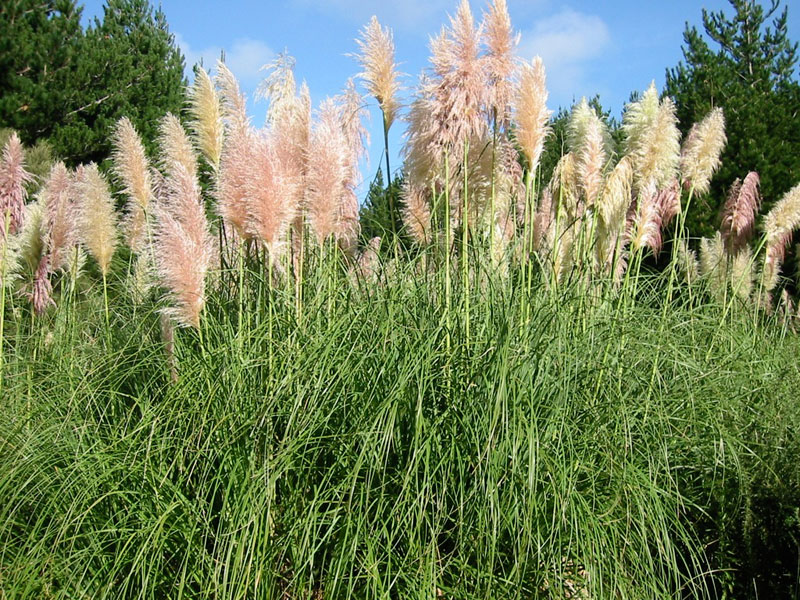
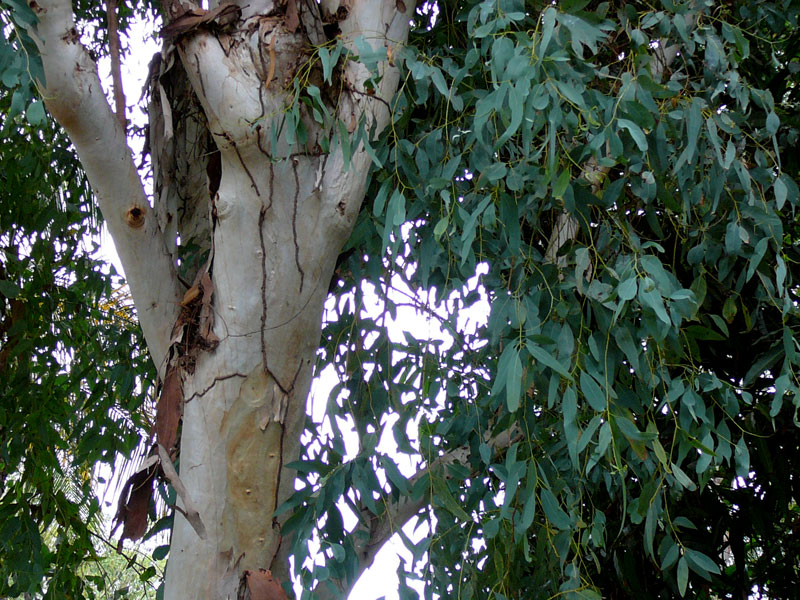
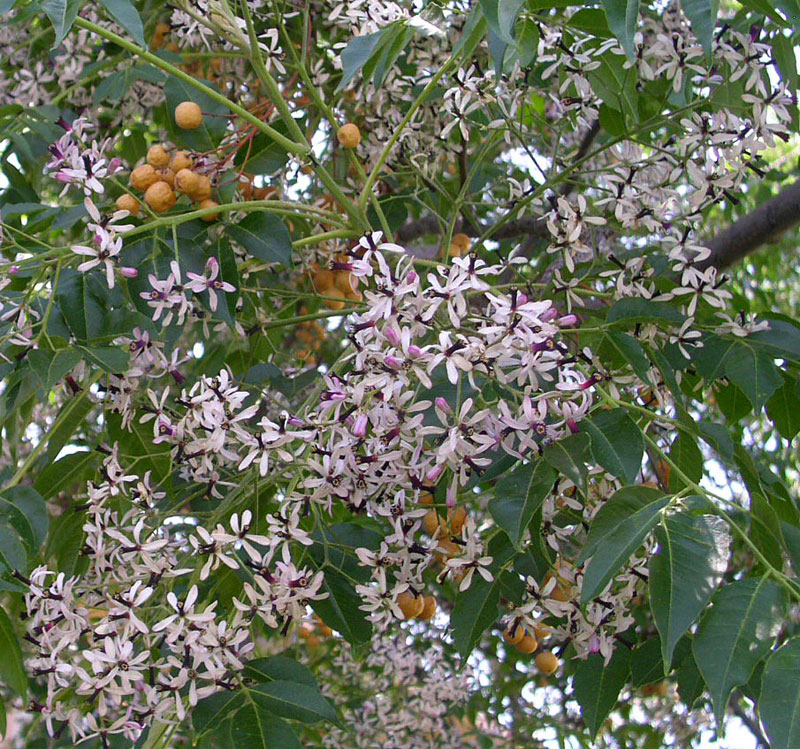
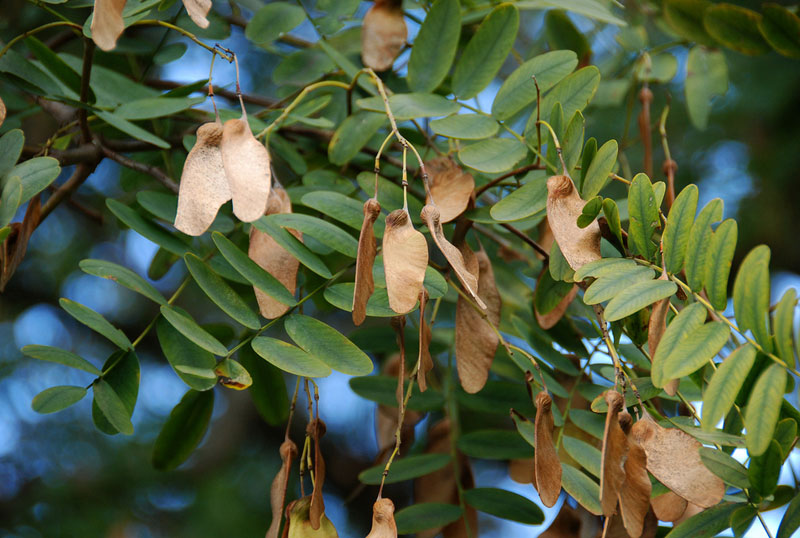
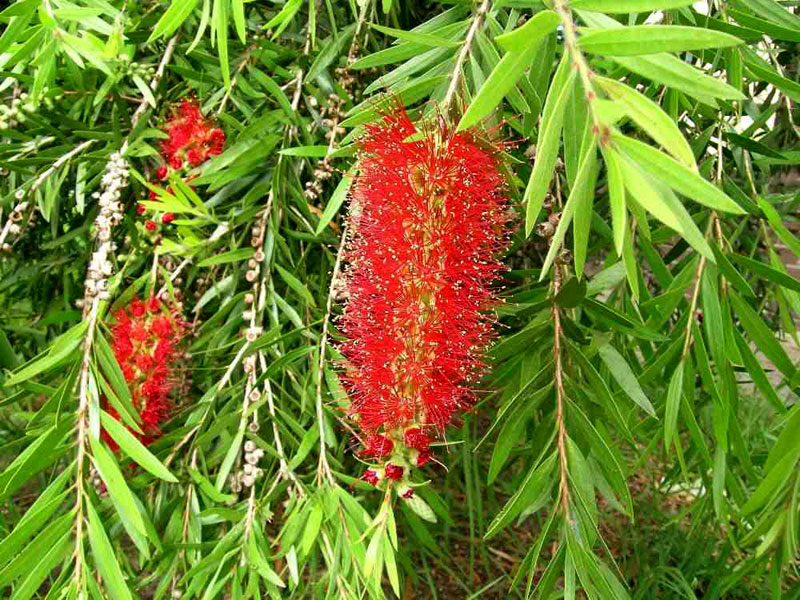
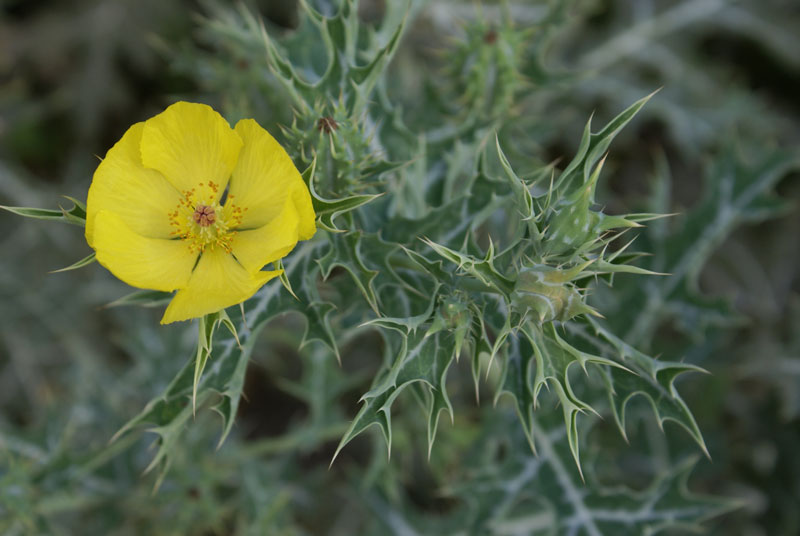
White-flowered Mexican Poppy (Argemone ochroleuca subsp. ochroleuca)
Category 1b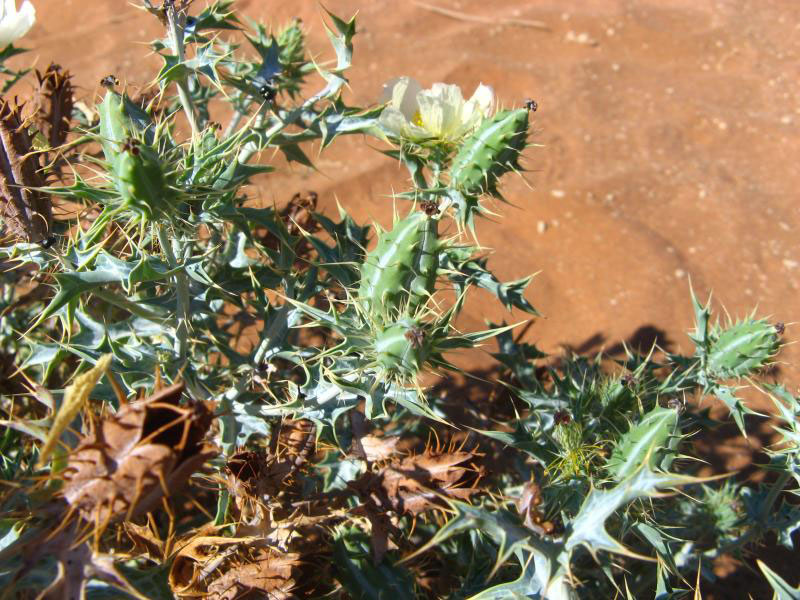
What do the NEMBA categories mean?
Category 1a
Invasive species requiring compulsory control. Remove and destroy. Any specimens of Category 1a listed species need, by law, to be eradicated from the environment. No permits will be issued.
Category 2
Invasive species regulated by area. A demarcation permit is required to import, possess, grow, breed, move, sell, buy or accept as a gift any plants listed as Category 2 plants. In riparian zones or wetlands all Category 2 plants become Category 1b plants.
Category 1b
Invasive species requiring compulsory control as part of an invasive species control programme. Remove and destroy. These plants are deemed to have such a high invasive potential that infestations can qualify to be placed under a government sponsored invasive species management programme. No permits will be issued.
Category 3
These are invasive species that can remain in your garden. An individual plant permit involving a Category 3 species is required to undertake any of the following restricted activities: import, possess, grow, breed, move, sell, buy or accept as a gift. In riparian zones or wetlands all Category 3 plants become Category 1b plants.
Any donations would be greatly appreciated and are much needed to support these efforts. Please consider setting up a stop order with your bank for a regular monthly contribution rather than (or in addition to) a one-off donation. This would greatly assist us in budgeting and planning for the future.
Please EFT to the following account:
| Bank: | Nedbank |
| Branch name: Branch code: |
Morning Glen Branch 198 765 |
| Account Name: | Sandspruit Ullmann Park Association |
| Account Number: | 1014 852 641 |
| Reference: | Your name |
Any questions? Please contact us by clicking here.